One ten-week project each term, from a first digital product at thirteen to a launch-ready venture or a portfolio-ready design at seventeen. Every project has a full teacher guide, thirty lessons, and assessment built in.
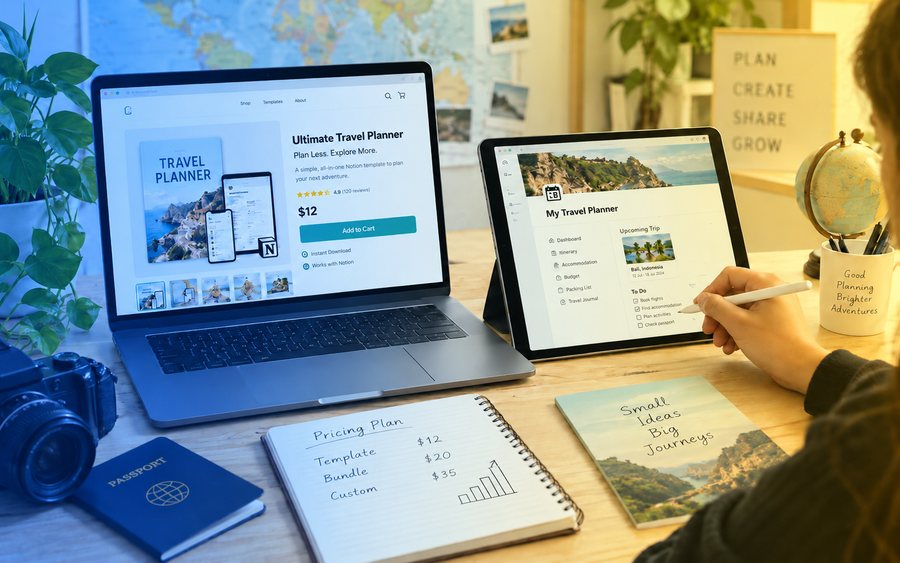
Find an opportunity and create a simple, sellable digital product, launched and pitched at Demo Day.
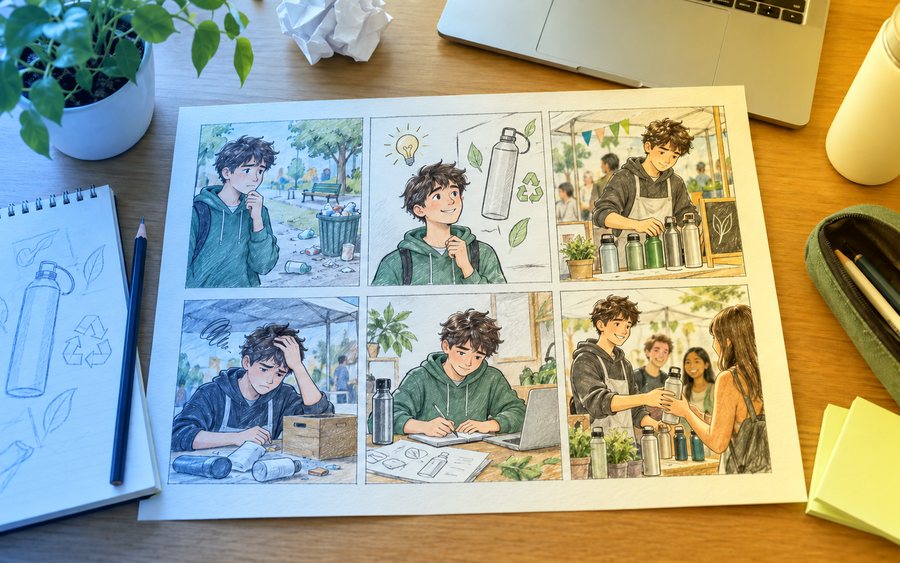
Tell a real young entrepreneur’s journey as a storyboard or comic, exploring resilience through the Hero’s Journey.
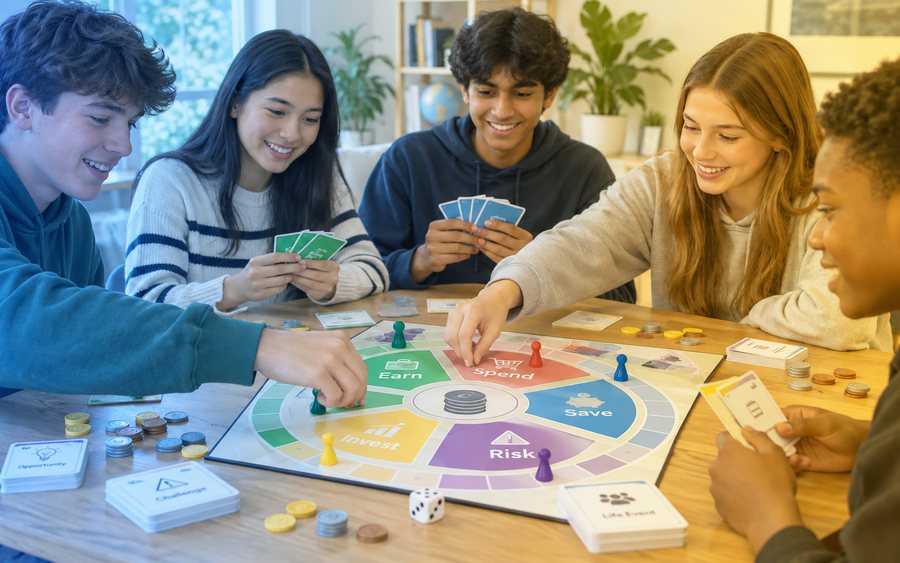
Design and build a playable money game teaching the five money moves: earn, spend, save, invest, manage risk.
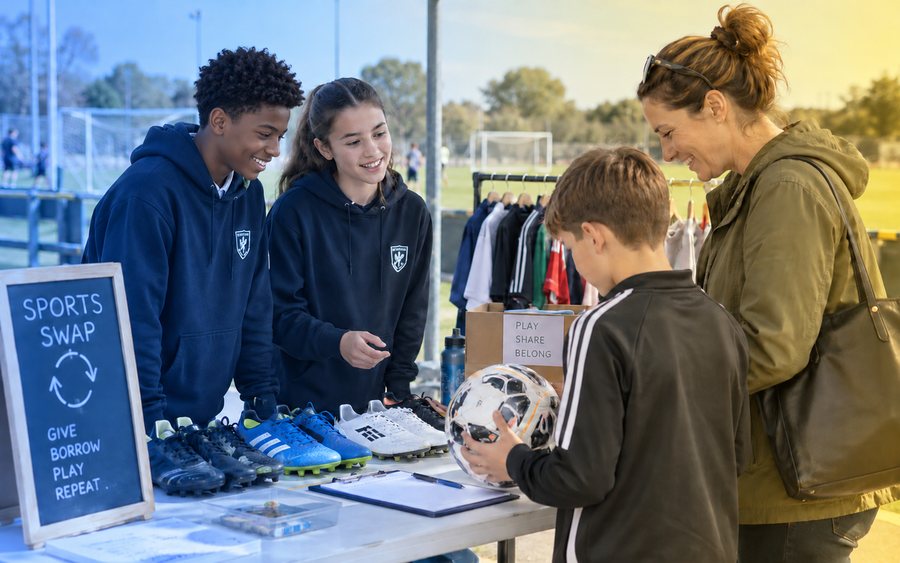
Research a real community problem and test a social-enterprise solution with real people.
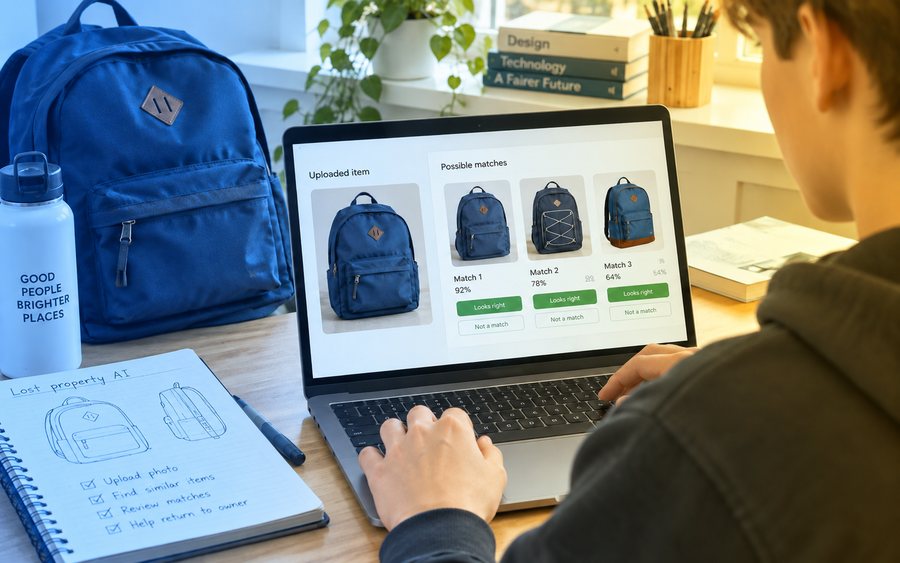
Use AI tools responsibly to design and build an AI-powered solution, with critical thinking about accuracy, bias and ethics.
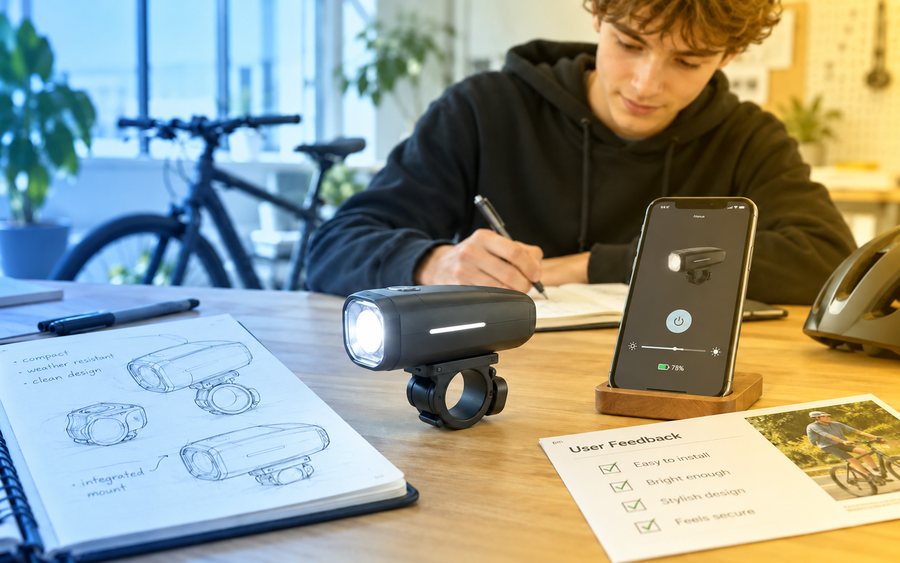
Read emerging tech and market trends to design an innovative product or service concept, validated with real users.
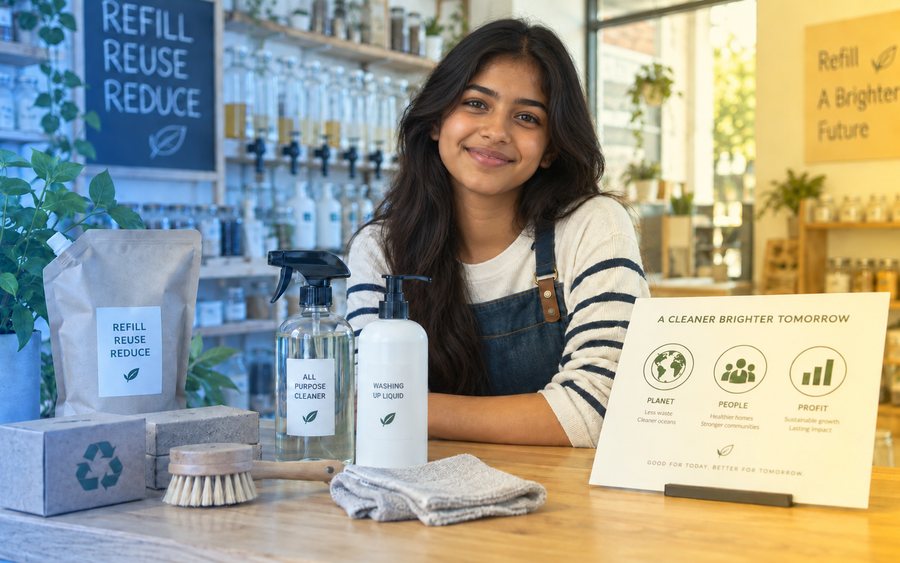
Design a sustainable, ethical business concept using triple-bottom-line thinking: planet, people, profit.

Build an authentic personal brand and content portfolio in the creator economy, and grow a real audience.
 Free sample
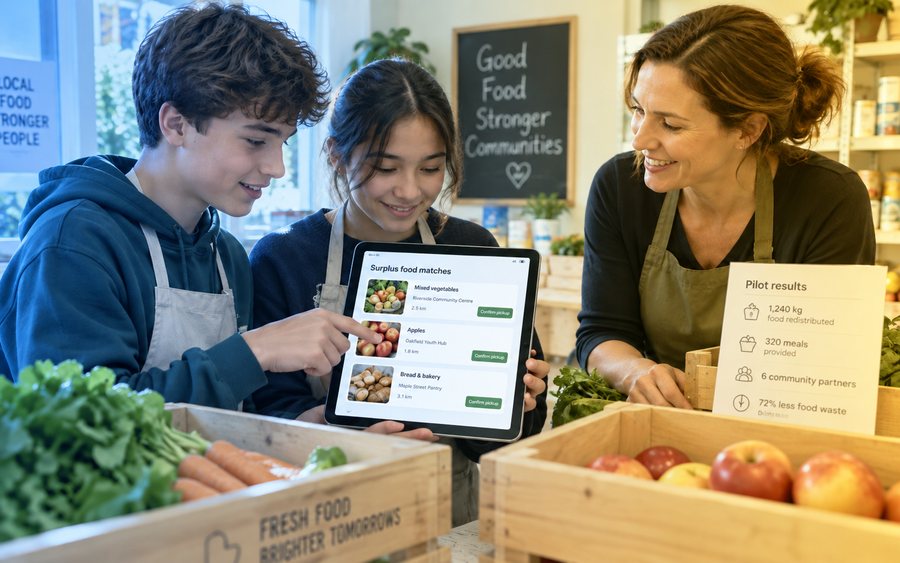
Build a working AI-powered solution to a real local problem, pilot it with the community, and prove its impact.
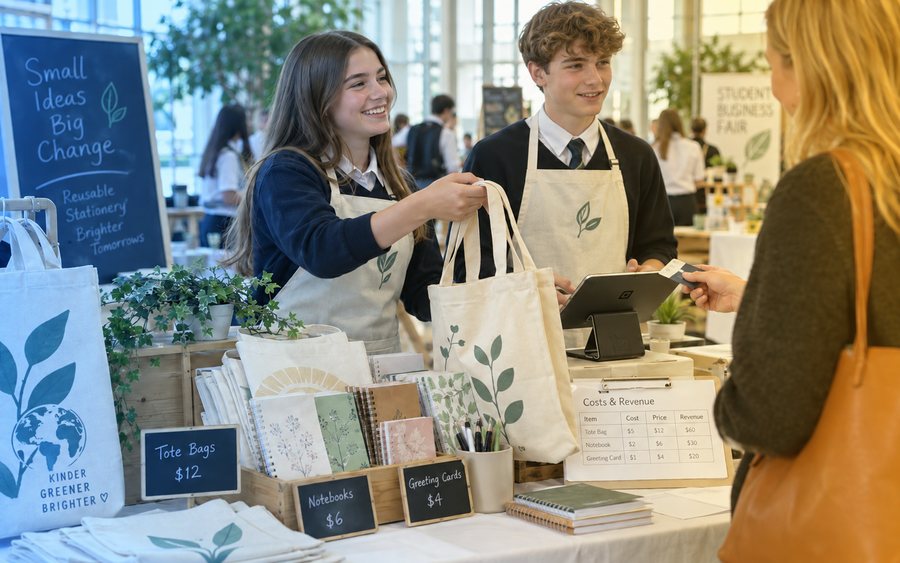
Run a real school business: market and sell to real customers, then analyse how it performed.
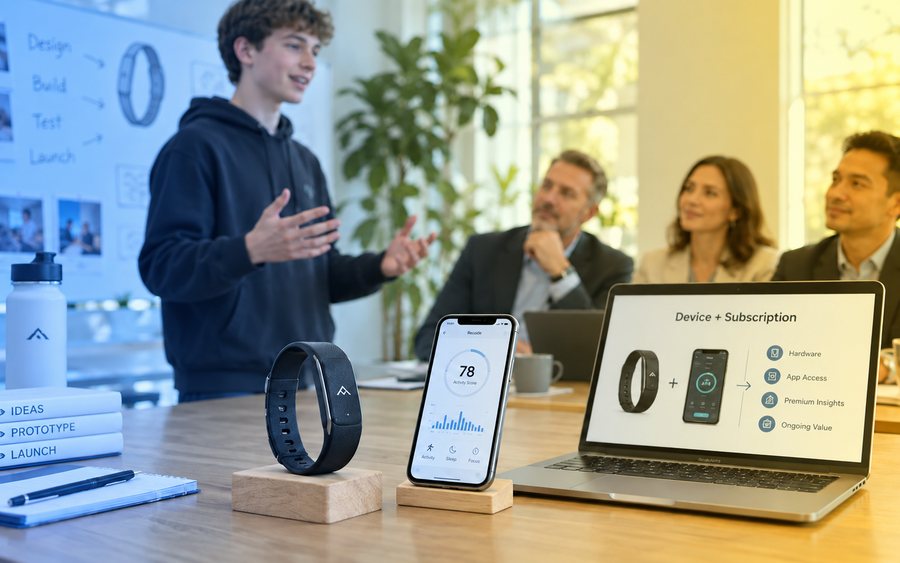
Invent a wearable device and build an investable venture around it, pitched to an investor panel.
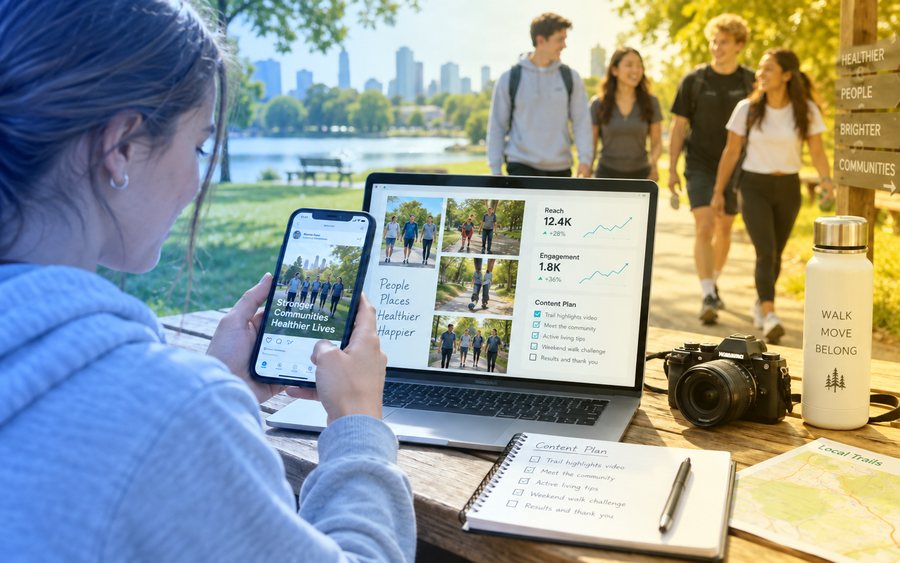
Plan, create and run a real social-media campaign for a healthy cause, then measure its reach.

Develop a scalable startup with a real business plan and a funding pitch to investors.
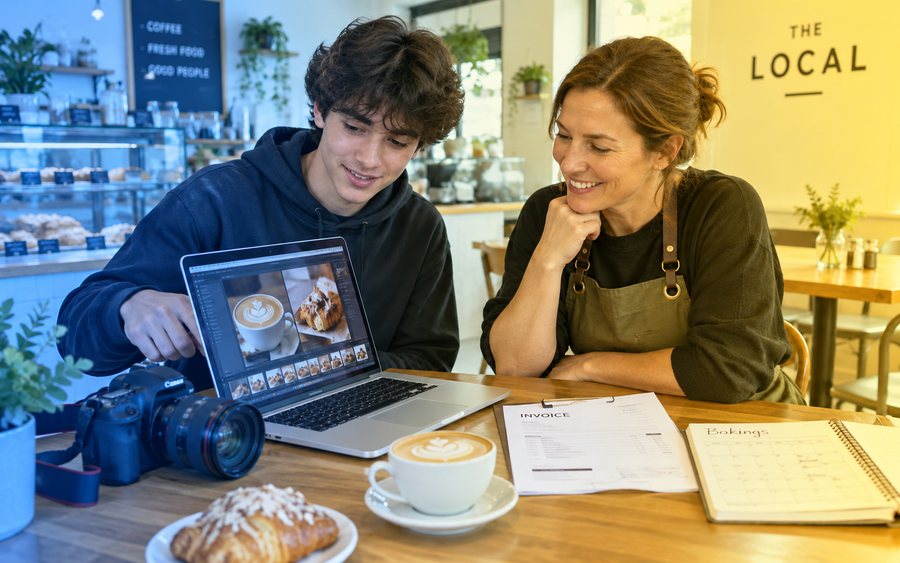
Run a freelance or micro-enterprise that trades for actual income.
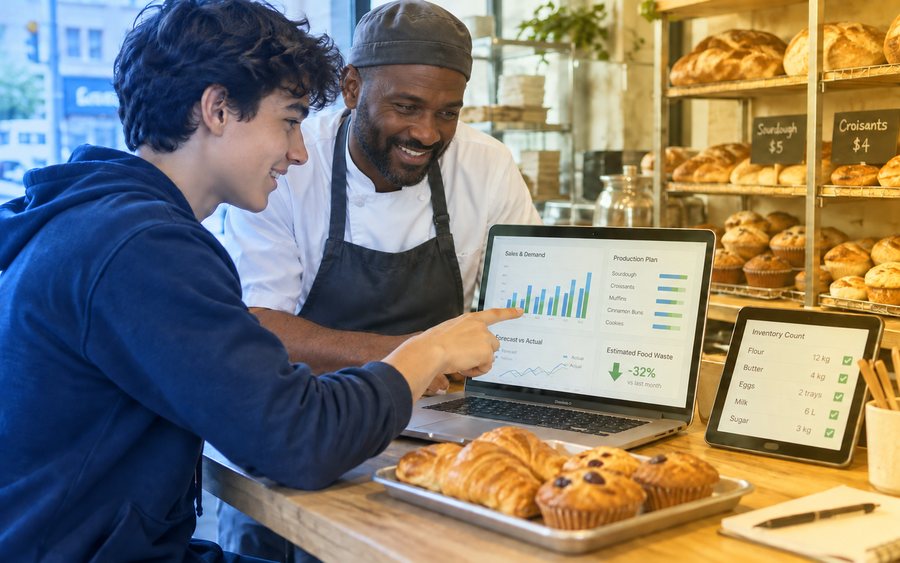
Use data and analytics to identify, design and test a solution to a real problem.
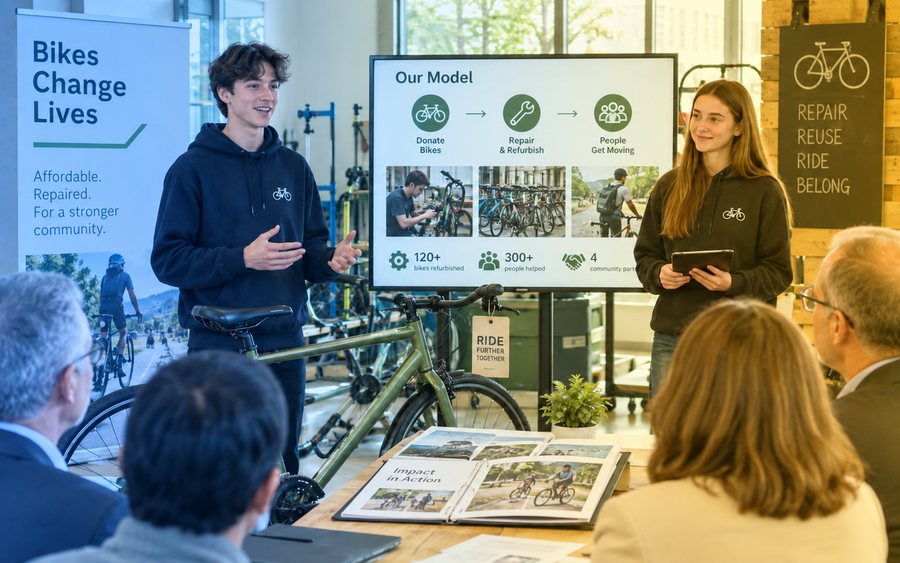
Build and pitch a capstone social enterprise to genuine external stakeholders.
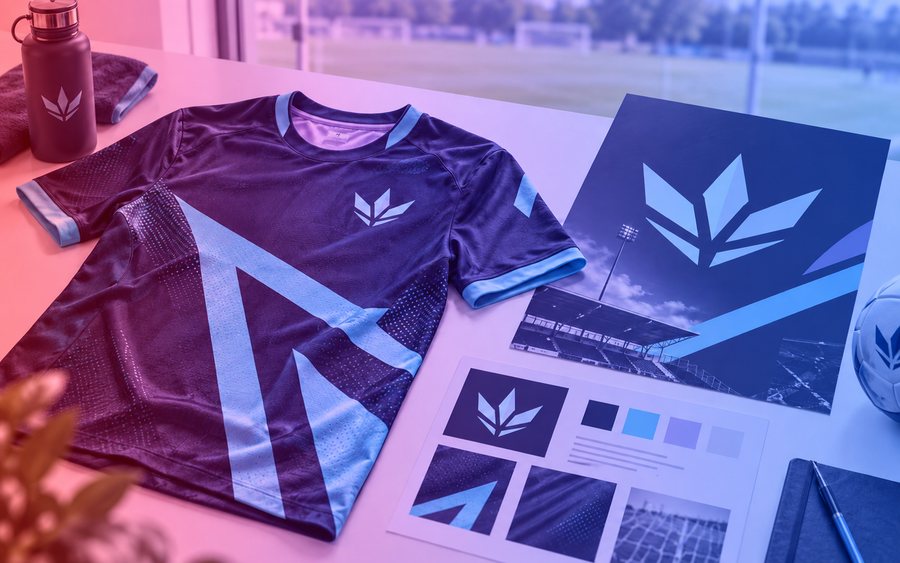
Create a visual identity for a junior sports team, school club or neighbourhood event, then test whether it communicates the intended message.
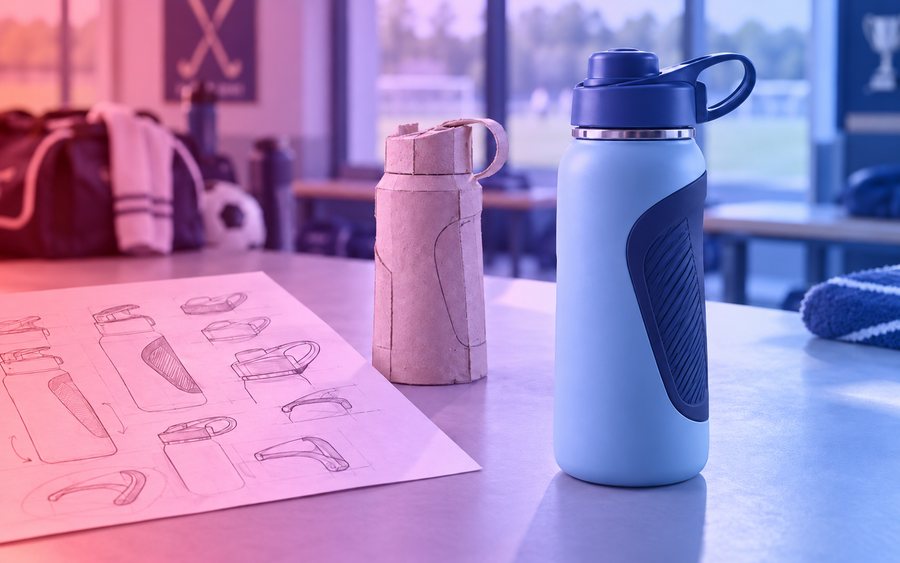
Observe an everyday routine and redesign one object to make it easier to use, from interviews and sketches to a low-cost physical prototype.
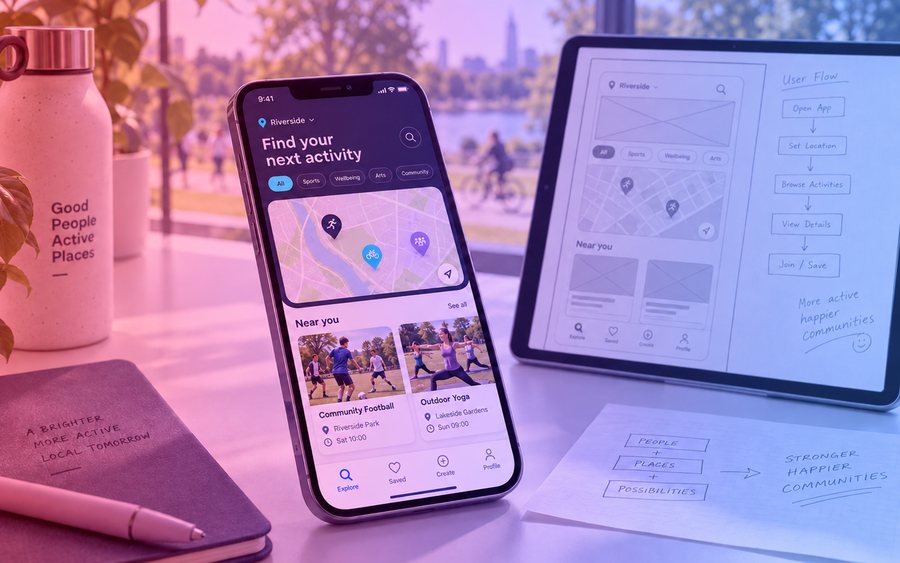
Design an app experience for finding local activities or joining a school event. Build and test a clickable prototype around one clear task; no coding required.
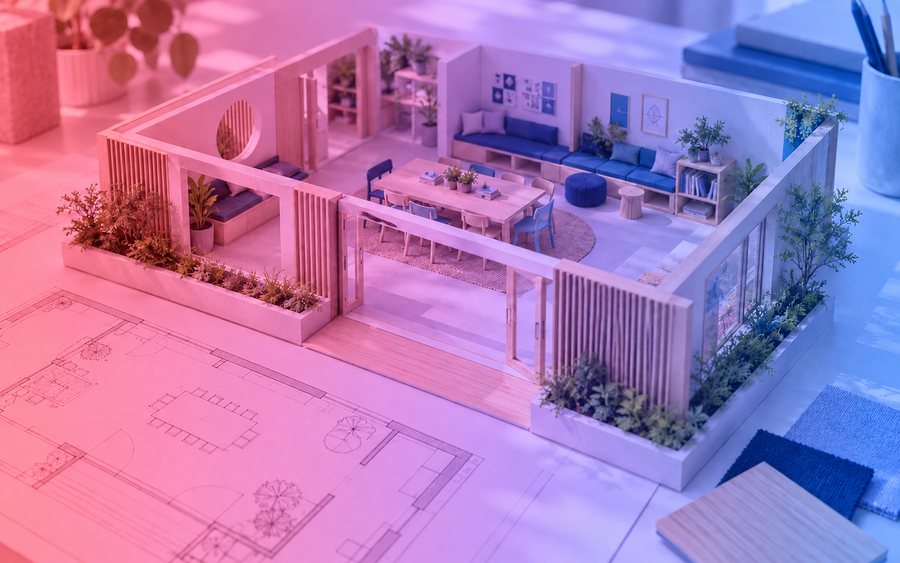
Reimagine a corner of a school, library, clubhouse or community centre as an inclusive place to meet or relax: movement, comfort, materials and sharing.

Design a campaign for a local cause using visual storytelling and AI-assisted experimentation to develop a clear, responsible message.
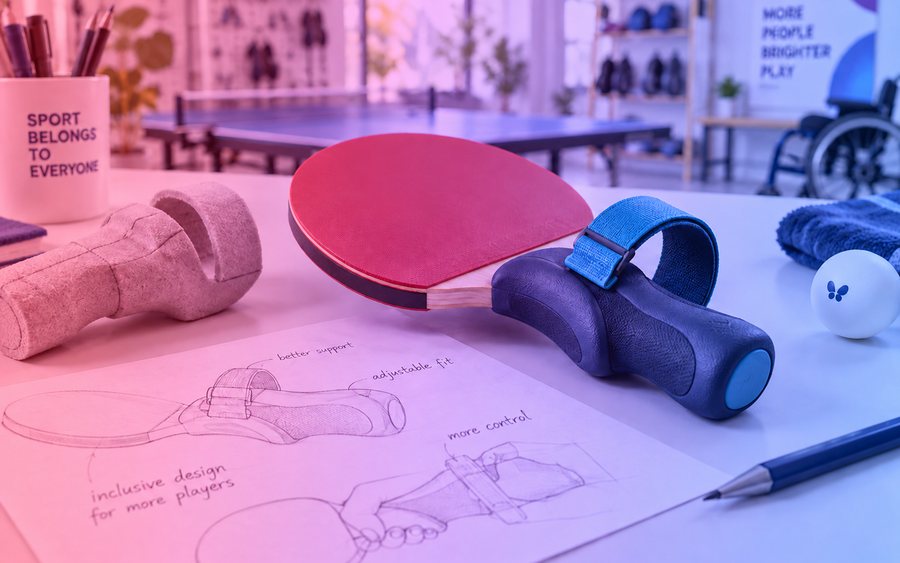
Redesign a product used in sport, shopping or learning for someone with a specific access need, working from their own feedback, not assumptions.
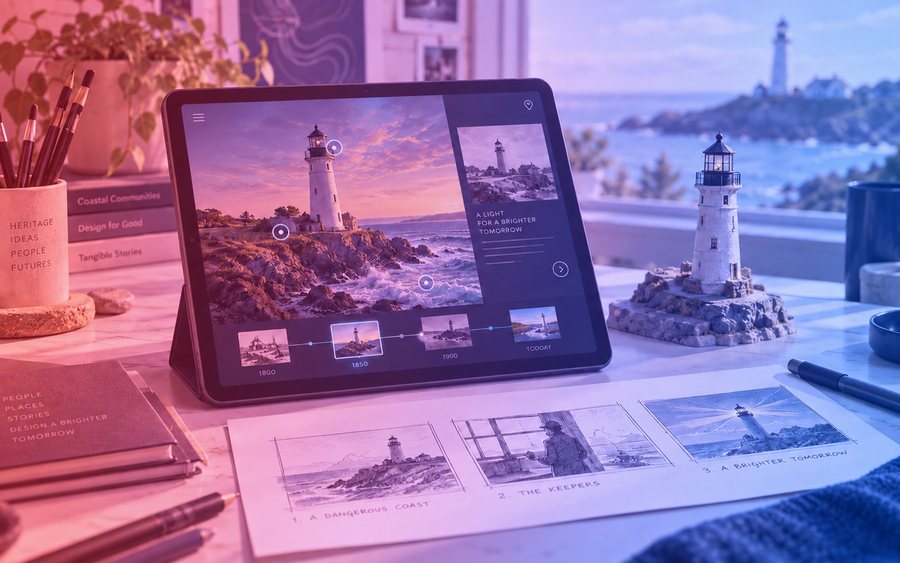
Create an interactive story for a local landmark, club, business or school exhibition, in the browser or with optional AR.
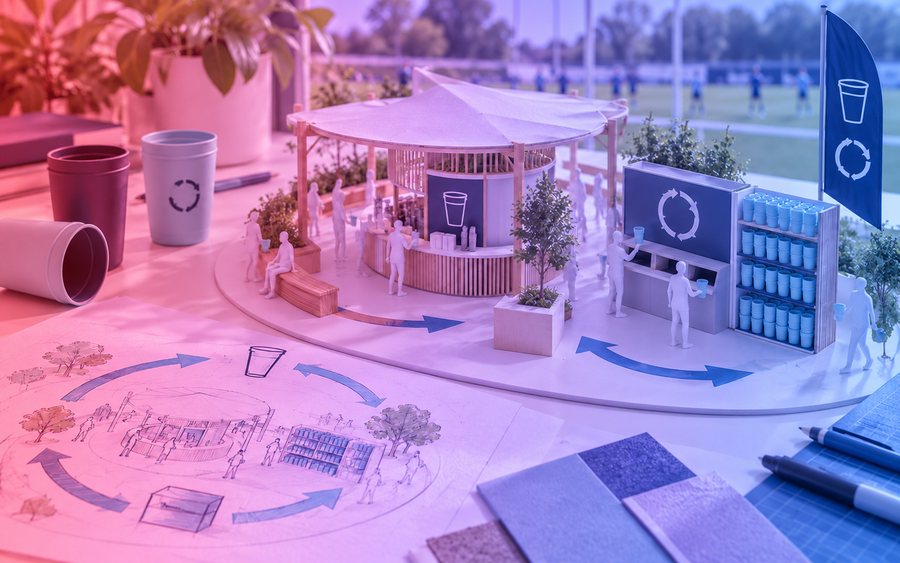
Redesign how a local market, tournament or school fair handles materials and waste: layout alongside borrowing, reuse, return and collection.

Respond to a brief from a local business, club or community group. Refresh its visual identity and create a campaign that works within real constraints.
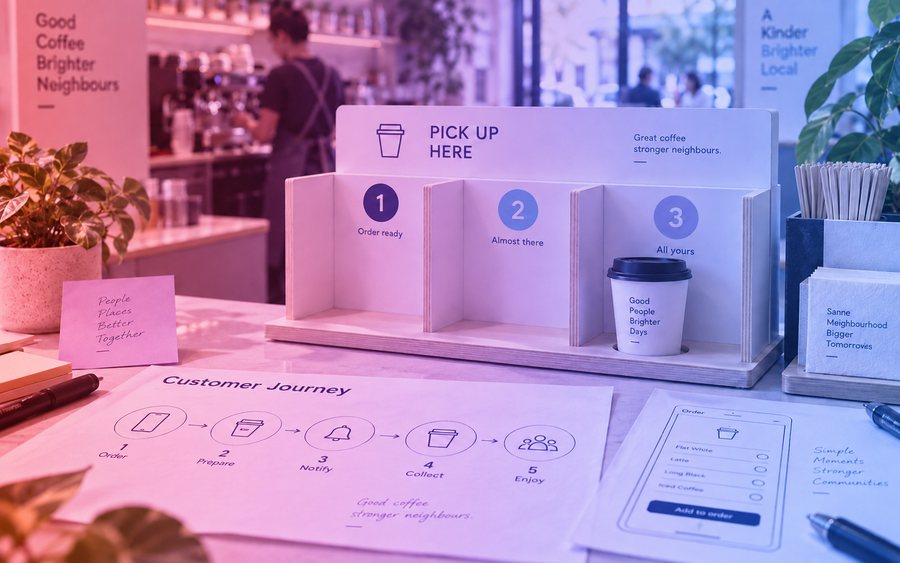
Improve a service such as cafe collection, club registration or equipment borrowing, across people, processes and touchpoints.
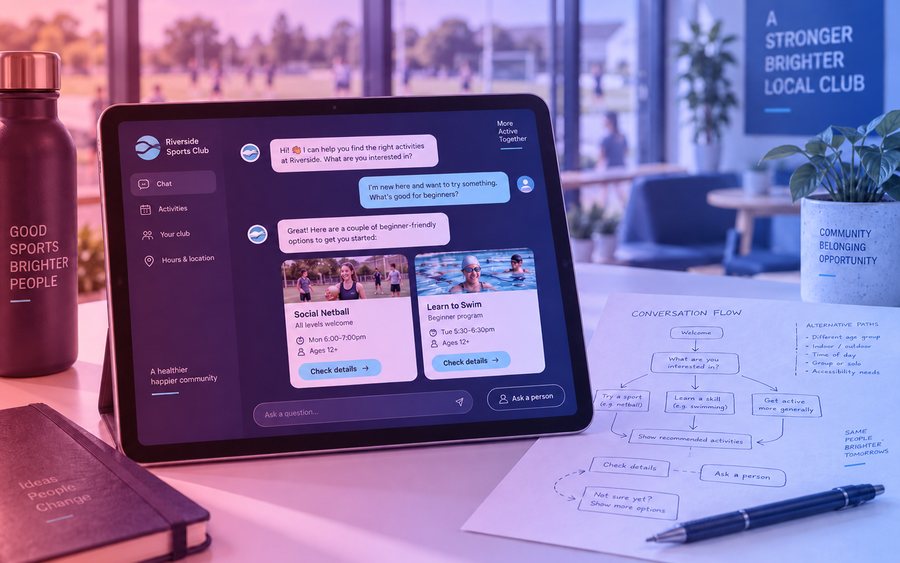
Design an AI assistant experience for a low-risk task, designing for uncertainty, user control and recovery from mistakes.
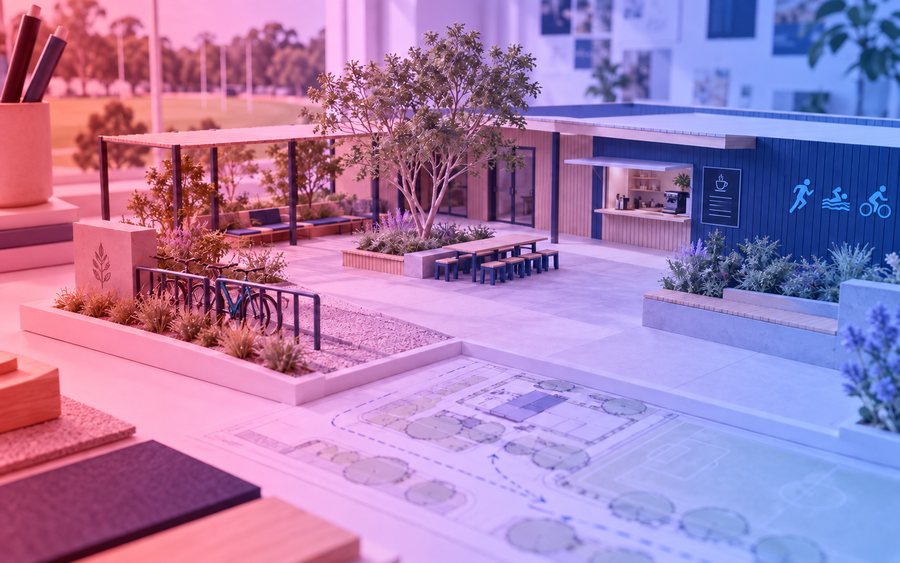
Work with users of a shared venue to redesign the space and how it operates, balancing inclusion, movement, maintenance and a stated budget.

Lead a campaign for a local launch, membership drive or festival to a real or externally reviewed brief, using AI selectively while retaining authorship.
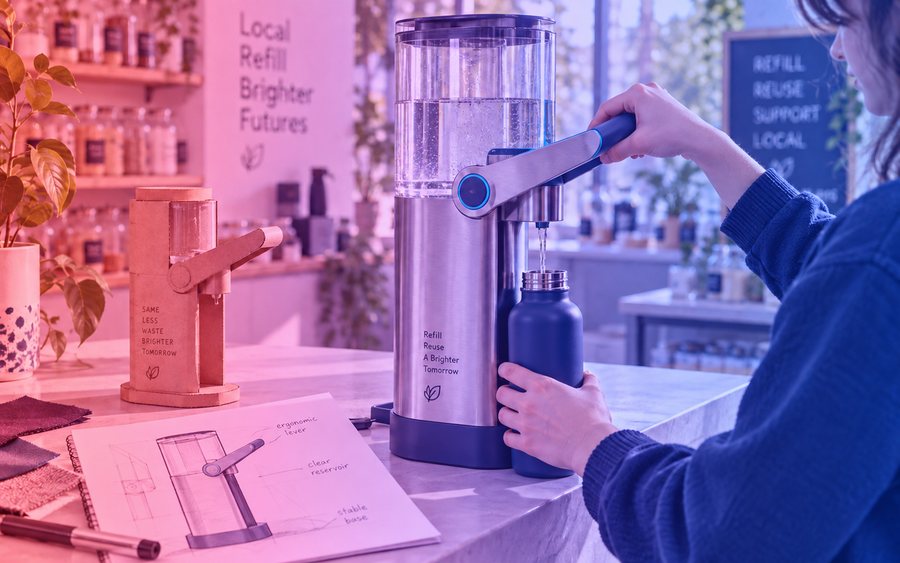
Develop a product or service with a local partner: verify a need, narrow the brief to one achievable outcome, refine through repeated testing.
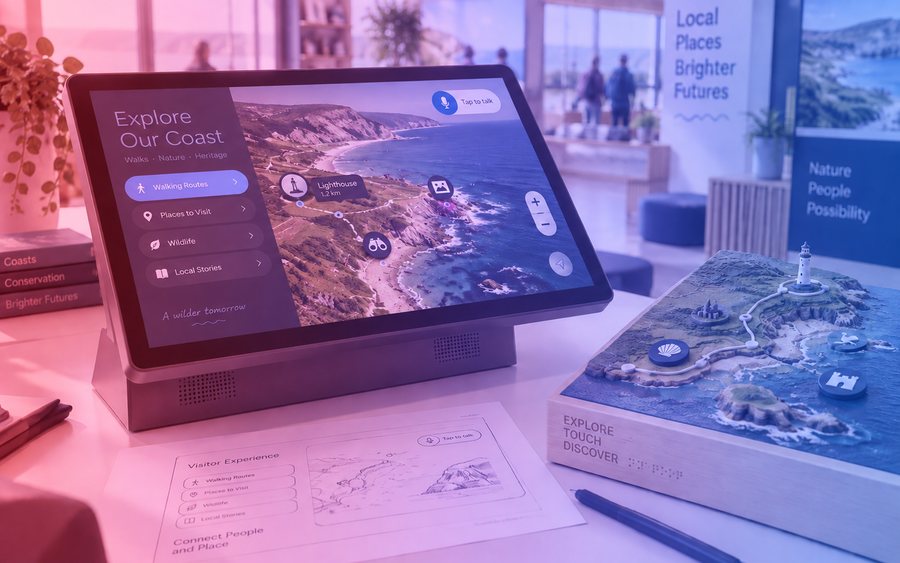
Design an AI, spatial or multimodal experience for a local retailer, attraction or club, with the core interaction made testable.
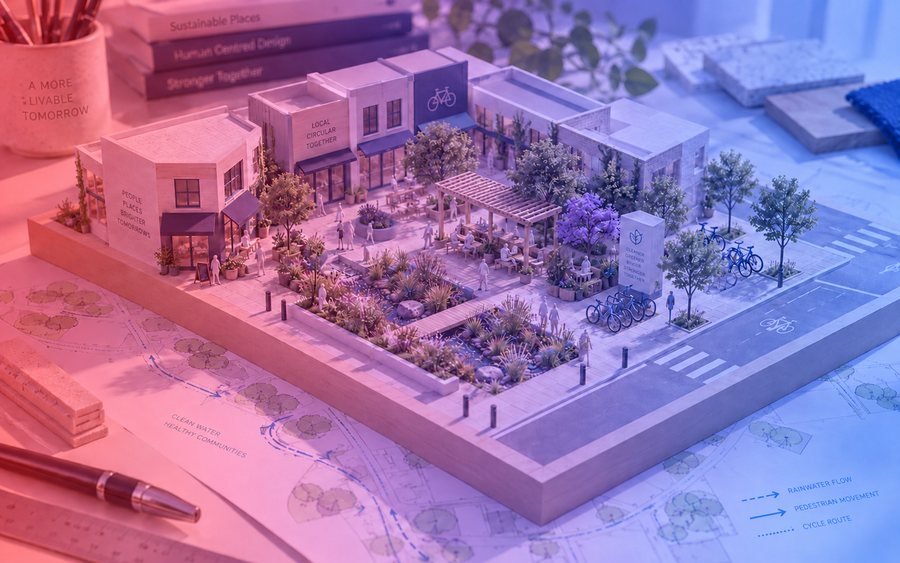
Design a proposal for a local high-street pocket, sports precinct or community hub, connecting the space to one supporting system.
Every project is mapped to the frameworks below and adapted by the curriculum team for the stream you teach in. Criterion-level references are in each project’s teacher guide and standards mapping.
AI in the Community, Year 10: ten weeks, thirty lessons, the teacher guide, student materials and the assessment rubric. A school email address is all it takes.